As marijuana becomes more widely legalized and accepted, it’s important to understand the potential risks and rewards of its use. Whether you’re a long-time user or just curious, navigating the world of marijuana can be overwhelming. From different strains and consumption methods to legal implications and potential health effects, there’s a lot to consider. In this article, we’ll explore the latest research and expert opinions on marijuana use, and provide practical tips for managing the risks while enjoying the potential benefits. Whether you’re using marijuana for medicinal purposes or just for fun, this guide will help you make informed choices and stay safe.
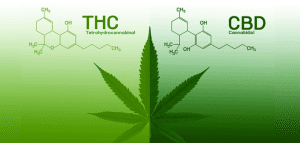
One of the most significant rewards of using marijuana is its potential medicinal properties. Cannabis has been found to alleviate symptoms of various medical conditions, including chronic pain, multiple sclerosis, epilepsy, and even certain types of cancer. The active compounds in marijuana, such as THC and CBD, have shown promising results in reducing pain and inflammation, improving sleep, and enhancing appetite. For individuals suffering from these conditions, marijuana can provide much-needed relief and improve their quality of life.
Moreover, marijuana has been associated with mental health benefits. Some studies suggest that cannabis can help manage symptoms of anxiety and depression, providing a sense of relaxation and calmness. Additionally, marijuana has been used to treat post-traumatic stress disorder (PTSD) in some cases, helping individuals cope with traumatic experiences. These potential mental health benefits have led to increased interest in using marijuana as an alternative or complementary treatment for various mental health conditions.
However, it is crucial to acknowledge the risks associated with marijuana use. One of the primary concerns is the potential for addiction. While not everyone who uses marijuana becomes addicted, some individuals may develop a dependence on the drug. This can lead to withdrawal symptoms, cravings, and difficulty quitting. Furthermore, heavy and prolonged marijuana use has been linked to cognitive impairments, particularly in adolescents and young adults. Studies have shown that regular marijuana use during these critical developmental stages can negatively impact memory, attention, and learning abilities.
Another risk of using marijuana is the potential for impaired driving and increased accident risks. The psychoactive effects of marijuana can impair coordination, reaction time, and judgment, making it dangerous to operate a vehicle while under the influence. This poses a significant risk not only to the individual using marijuana but also to other road users. It is essential to exercise caution and avoid driving or operating heavy machinery after using marijuana. (Read: Consume With Care). Consulting with healthcare professionals and adhering to legal regulations can help mitigate potential risks and maximize the rewards associated with marijuana use